CapacityPlus Program Officer Laura Wurts is traveling in Uganda for three weeks and shared some of her experiences in the field thus far.
 Please tell us about the purpose of this trip to Uganda, and where will you be working.
CapacityPlus is field testing a rapid assessment tool for determining priority retention interventions for costing to inform Ministry of Health policy-making to improve attraction and retention of health workers in rural and remote areas. While in Uganda, we expect to survey 500-600 people. The sample will include both final-year students and practicing health workers in four cadres: medical officers, nursing officers, pharmacists, and lab techs.
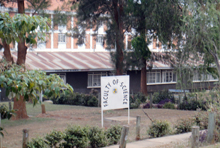
We will collect data in Kampala, Jinja, 10 districts around Mbarara town, and 10 districts around Gulu town. Specific universities include Makere University, Mbarara University for Science and Technology, Gulu University, and Jinja School of Nursing and Midwifery. Read more »



 This
This  The Harmattan is a dry and dusty wind that blows right over
  “The world needs more midwives now more than ever,” said the Honorable Minister of Health of Nigeria, Dr. Muhammad Ali Pate. On May 6, Pate was joined by stakeholders and international development partners, including CapacityPlus/Nigeria’s Chief of Party
 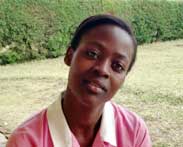 Maureen Kanyiginya
 It has been estimated that sub-Saharan Africa needs 600,000 additional nurses just to meet the Millennium Development Goals. The United States Government’s