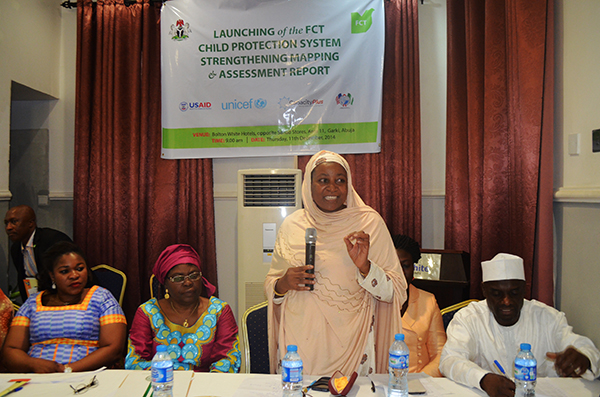
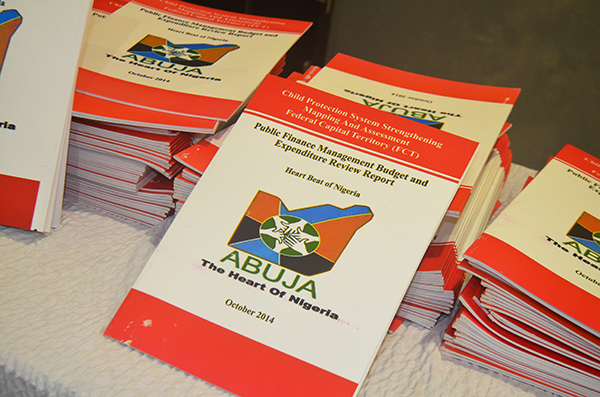
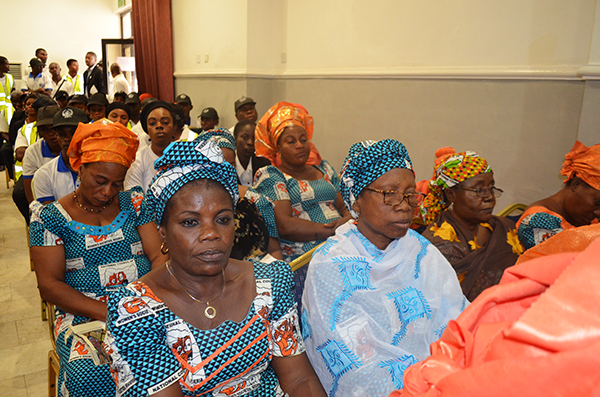
In December, the government of Nigeria launched a key report aimed at protecting orphans and vulnerable children in its Federal Capital Territory. IntraHealth’s USAID-funded
CapacityPlus project contributed to the report and participated in the event.
The
Child Protection System Strengthening Mapping and Assessment Report for Federal Capital Territory looks at the state’s child protection risks and gaps, and examines continuum of care, accountability mechanisms, and resource mobilization of the state’s existing child protection system. It ultimately aims to strengthen delivery of quality child protection services in the state.
According to the report, there are 17.5 million orphans and vulnerable children in Nigeria. It’s estimated that 39% of children ages 5-14 are engaged in child labor; approximately 40% of children do not attend primary school; and as many as 40% of children may have been trafficked.
Read more »



 Lifelong learning is the ongoing, voluntary, and self-motivated pursuit of knowledge for either personal or professional reasons. It is not confined to the classroom but takes place throughout life and in a range of situations. To develop and maintain the competencies needed to deliver high-quality services, health workers must be lifelong learners. Formal continuing education and training activities can support lifelong learning. Yet to be effective, they must target identified gaps between each worker’s current knowledge and skills and what is actually needed on the job. Training needs assessments provide information to target learning activities toward identified competency gaps and learning needs of specific health workers.
 A man arrived by plane in Lagos on July 20. He fell ill at the airport and was taken to a hospital. Shortly afterward he was diagnosed with Ebola, the first case in Nigeria.
 The Harmattan is a dry and dusty wind that blows right over
  “We have done it before, we are doing it now, and we will do it again,” announced